Build Trust Online 5 Effective Branding Strategies for Realtors
In today's digital age, real estate branding is more important than ever. Realtors face fierce competition in a crowded market. Standing out requires more than just a license and a smile.
Building trust online is crucial for success. Clients want to work with realtors they can rely on. A strong brand can convey professionalism and reliability.
Realtor marketing strategies must evolve with technology. An effective online presence is no longer optional. It's a necessity for reaching potential clients.
Consistency is key in real estate marketing. A cohesive brand across all platforms builds recognition. It helps clients remember and trust you.
Your unique value proposition sets you apart. Highlighting your strengths and specialties can attract the right clients. It's about showing what makes you different.
High-quality visuals are essential. Professional photography and videography enhance your brand image. They can make a lasting impression on potential clients.
Engaging content positions you as an industry expert. Blogs and videos can educate and inform your audience. They build credibility and trust over time.
Social media is a powerful tool for real estate branding. It allows you to reach a wider audience. Engaging with followers can boost your visibility.
In this guide, we'll explore five effective branding strategies for realtors. These strategies will help you build trust and enhance your online presence.
Why Branding Matters for Realtors in the Digital Age
In the digital age, branding has become a pivotal factor in a realtor's success. The rise of online platforms has transformed how potential clients find and assess realtors. With just a few clicks, they can view numerous options, making it vital to stand out.
Effective branding builds an emotional connection with your audience. It does more than present what you do; it communicates who you are and what you represent. This connection fosters trust and loyalty, which are invaluable for nurturing long-term client relationships.
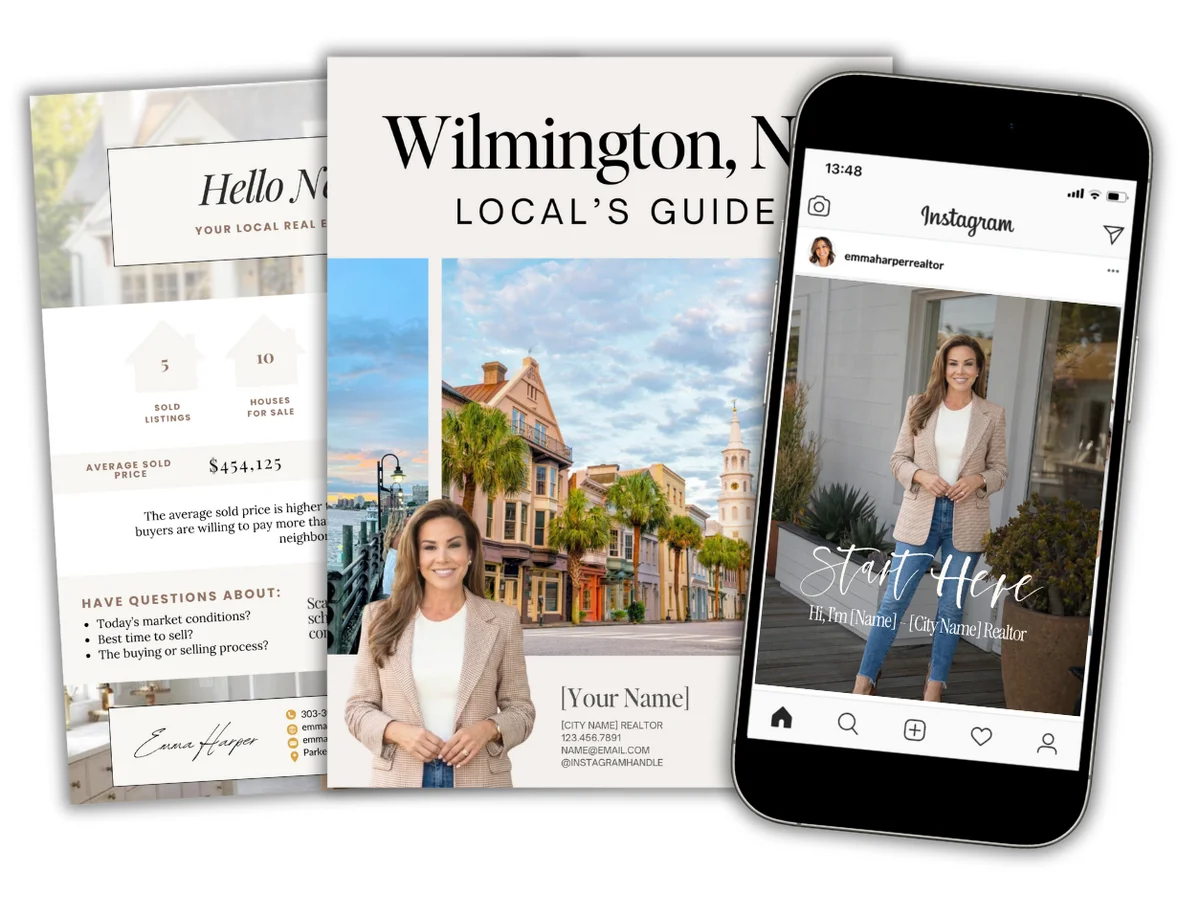
Here's why branding matters:
Differentiation: With countless realtors out there, a unique brand helps distinguish you from others.
Trust and Credibility: A consistent and professional brand image instills confidence.
Recognition: A strong brand becomes recognizable, ensuring clients remember you when it's time to buy or sell.
Digital presence amplifies these aspects, extending your reach far beyond physical boundaries. Online, your brand is your first impression and lasting presence. It’s how people perceive your professionalism and competence.
Branding also adapts to changing markets. Online trends shift quickly, and a well-crafted brand remains relevant by evolving with these changes. Realtors must therefore invest in brand development continuously.
In sum, a strong online brand is critical in today's real estate market. It is not just a tool for visibility but a cornerstone for building trust. As we explore more branding strategies, remember how these elements collectively contribute to a cohesive digital presence.
Strategy 1: Define Your Unique Value Proposition and Niche
A unique value proposition (UVP) sets you apart in a crowded market. It clearly articulates why clients should choose you over others. Your UVP reflects your strengths, expertise, and what makes your service special.
To craft an effective UVP, start by assessing your skills and experiences. What aspects of real estate do you excel at? Perhaps you have a knack for negotiating or a deep knowledge of a specific neighborhood. Recognizing these strengths is the first step.
Defining a niche can further enhance your UVP. Focusing on a specific audience allows you to tailor your branding and marketing efforts more effectively. A niche could be based on property type, client demographics, or geographical area. Specialization often leads to deeper expertise, and clients value that.

Consider the following questions to help define your niche and UVP:
What makes your service distinct from competitors?
Who are the ideal clients that can benefit most from your services?
What specific problems can you solve for your clients?
Once identified, consistently communicate your UVP across all platforms. Whether through your website, social media, or printed materials, the message should be clear and compelling. Consistency fosters recognition and trust.
Remember, your UVP is a dynamic statement. It should evolve as your skills grow and market conditions change. Regularly revisit and refine it to ensure it remains relevant and impactful.
An example of a UVP might be: "Specializing in eco-friendly homes for a sustainable future." This UVP communicates expertise in a growing market sector and appeals to eco-conscious clients.
Understanding your unique value and niche aids in strategic decision-making. It helps determine where to focus your marketing efforts and how to allocate resources efficiently.
Ultimately, a strong UVP and clearly defined niche do more than attract clients. They build a foundation for trust, positioning you as a specialist in your field. As you delve further into branding strategies, use your UVP as a compass guiding your efforts.
Strategy 2: Build a Consistent and Memorable Visual Identity
In the digital era, visual identity plays a vital role in real estate branding. It's more than just a logo or colors—it's your brand's visual narrative. A strong visual identity makes your business recognizable and memorable.
Start by selecting a color palette that resonates with your brand's personality. Colors evoke emotions and associations, so choose wisely. For example, blue often conveys trust and professionalism, while green can reflect growth and sustainability.
Next, design a logo that encapsulates your brand's essence. A well-designed logo can become synonymous with your business. Keep it simple yet distinctive. A cluttered or complex logo can easily be forgotten.
Typography is another crucial component. Choose fonts that complement your overall design. Consistent use of typography across all marketing materials strengthens your brand's identity. Mixing too many fonts can undermine the professionalism of your brand.
Think about imagery as well. The photos you choose should align with your brand's tone and message. High-quality images of properties, happy clients, or local scenes can enrich your visual narrative. Remember, images should be consistent in style and theme.
Consider creating a brand style guide. This document outlines how each visual element should be used. It serves as a reference for you and your team, ensuring visual consistency across all platforms.
Here’s a quick checklist to ensure a strong visual identity:
Choose a harmonious color scheme
Design a simple, unique logo
Select consistent typography
Use cohesive, high-quality imagery
Develop a detailed brand style guide
Consistency across all media is key. Whether a client sees your website, business card, or social media post, they should immediately recognize it's from you. This recognition builds trust and confidence in your brand.
Remember, first impressions matter. Potential clients often decide whether to engage with your brand based solely on visual appeal. Investing time and resources in crafting a cohesive visual identity can yield significant returns.
By having a memorable and consistent visual presence, you create a lasting impression. This foundation helps reinforce your unique value proposition and strengthens your position in the real estate market.
Strategy 3: Leverage Content Marketing to Establish Expertise
Content marketing is a powerful tool for realtors. It allows you to share knowledge and showcase expertise. By offering valuable insights, you build trust and position yourself as an industry leader.
Start by creating a blog on your website. Regularly post articles relevant to your target audience. Topics might include market trends, buying tips, or community highlights. Engage your readers with informative and relatable content.
Don't limit yourself to just blog posts. Explore different formats like videos, podcasts, or infographics. These can cater to varying preferences and expand your reach. A video tour of a property or a podcast about market updates can attract diverse audiences.
Ensure content is authentic and adds value. Avoid jargon, and write in a straightforward style. Your goal is to inform and educate, not confuse your audience. The clearer your content, the more likely it is to resonate and be shared.
Consider using a content calendar. This tool helps schedule and organize content creation. It ensures consistency and allows you to plan around key dates or events. Consistency is crucial for maintaining engagement and visibility.
Here's a list of content types to consider:
Educational blog posts
Informative videos
Insightful podcasts
Eye-catching infographics
Engaging social media updates
SEO is another essential component. Optimize your content for search engines to boost its reach. Use relevant keywords, meta descriptions, and quality backlinks to improve visibility. Remember, the higher your content ranks, the more likely potential clients will discover it.
Interact with your audience through comments and social media. Responding to inquiries or feedback demonstrates commitment and helps build relationships. It also shows you're approachable and attentive to client needs.
Finally, analyze your content marketing efforts. Use analytics tools to track performance and engagement. This data helps refine your strategy, allowing you to focus on what works best.
By leveraging content marketing, you gain credibility and a loyal following. Sharing expertise builds your reputation, making you a go-to resource in real estate. As you educate and engage, you nurture trust, the cornerstone of lasting client relationships.
Strategy 4: Harness the Power of Social Media and Online Presence
Social media platforms are indispensable for realtors today. They offer a direct channel to engage with potential clients. An active online presence can greatly expand your reach and influence.
Begin by choosing the right platforms. Focus on those where your audience spends most of their time. For realtors, Facebook, Instagram, and LinkedIn are particularly effective. Each platform serves different purposes and reaches diverse audiences.
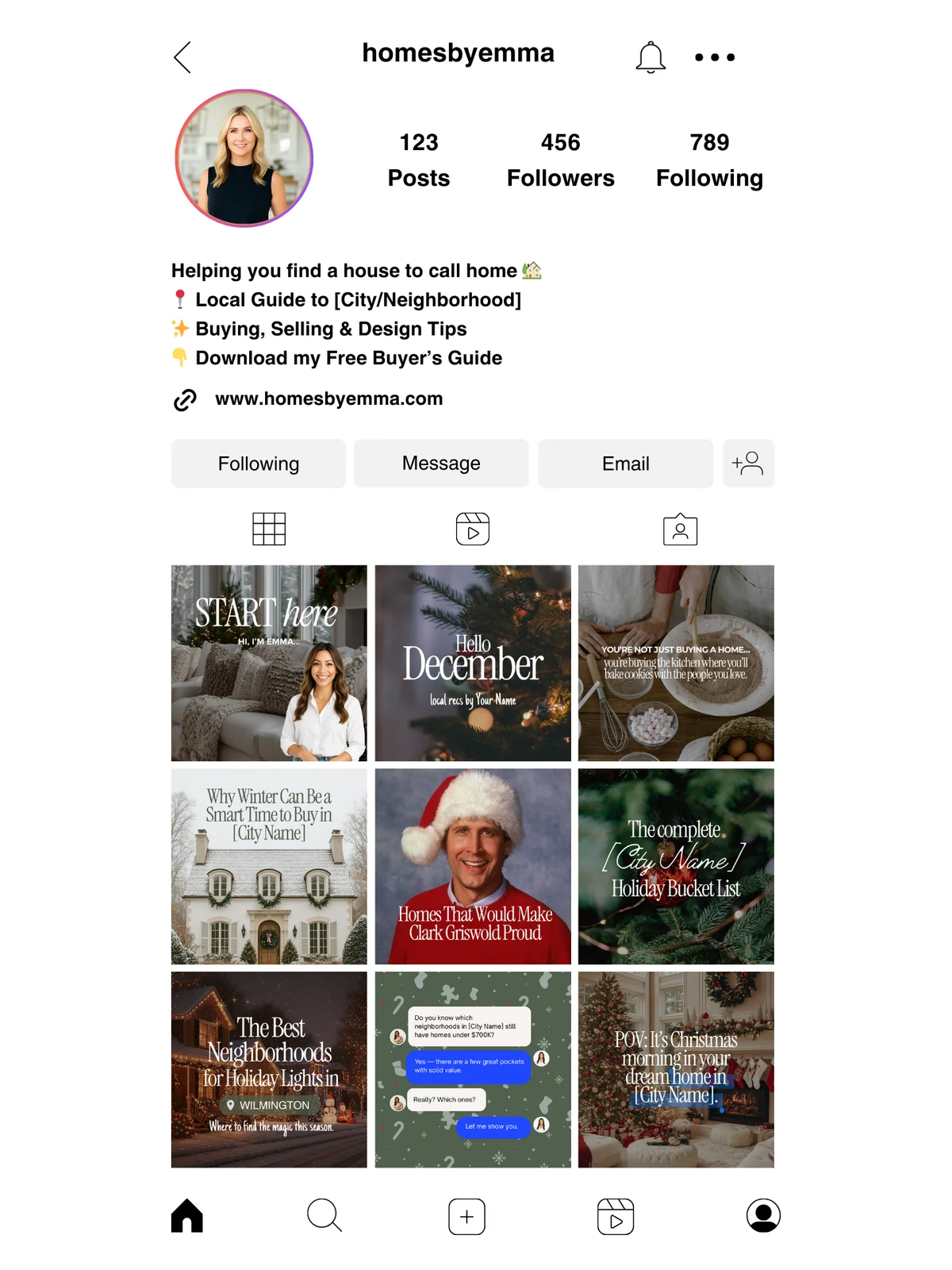
Create a social media plan tailored to each platform. Share engaging content such as property listings, market updates, and client testimonials. Consistent posting keeps your brand visible and top of mind.
Visual content is especially powerful in real estate. Use high-quality photos and videos to capture attention. Instagram and Facebook stories are excellent tools for showcasing properties and special events.
Remember to interact with your followers. Respond promptly to messages and comments. Engaging directly builds relationships and demonstrates your commitment to client satisfaction.
Consider hosting live Q&A sessions or webinars. These events can position you as an expert and attract new clients. You provide value by answering real-time questions and discussing trending topics.
To maximize impact, use social media advertising. Targeted ads can reach specific demographics effectively. Promote listings, open houses, or brand messaging to connect with potential buyers or sellers.
Here's a list of social media tactics to boost your brand:
Share professional imagery and videos
Post regular market insights
Engage through stories and posts
Use targeted advertisements
Host live or recorded webinars
Regularly analyze your social media efforts. Track metrics like engagement, reach, and conversions. These insights help refine your strategies and optimize future posts.
Lastly, ensure your online profiles are up-to-date and consistent. Align all bios, images, and links with your brand identity. A cohesive look across platforms strengthens your brand's recognition.
By effectively harnessing social media, you enhance visibility and credibility. A strong online presence keeps you connected with your audience. As you build these connections, you foster trust and create lasting impressions in the real estate market.
Strategy 5: Build Trust with Testimonials, Reviews, and Community Engagement
Building trust is vital in real estate branding. Client testimonials and reviews are powerful tools to establish credibility. They offer social proof that can sway potential clients in your favor.
Showcase testimonials prominently on your website. Include them on listing pages and social media profiles. Genuine client feedback reassures prospects about your capabilities and service quality.
Encourage happy clients to leave reviews on platforms like Google and Zillow. These reviews enhance your online presence and impact your reputation positively. Respond to all reviews, both positive and negative.

Addressing negative feedback respectfully shows your professionalism. Acknowledge concerns and offer solutions. This openness can turn a dissatisfied client into a loyal one, demonstrating your commitment to client satisfaction.
Engaging with your community further strengthens trust. Participate in local events or sponsor community activities. These interactions build your brand’s image as a dedicated and involved community member.
Consider organizing free real estate seminars or workshops. These events position you as a local expert and offer valuable insights. Clients appreciate realtors who prioritize educating and assisting their communities.
Leverage partnerships with local businesses or influencers. Collaborations can extend your reach and enhance credibility. They show that trusted community figures endorse your services.
Here’s a list of actions to boost trust through engagement:
Regularly update testimonials on your website
Respond promptly to online reviews
Participate in community events and sponsorships
Collaborate with local influencers
Host educational workshops
Actively engage with your audience through newsletters or email campaigns. This direct line of communication keeps you in their thoughts. Share market updates or tips to provide ongoing value.
Building trust isn’t just about being present. It's about showing you care for your community and clients. Each interaction is a chance to reinforce your brand’s reliability and integrity.
Fostering strong relationships takes time and effort. However, the trust you build is invaluable. It ensures a loyal client base and generates referrals, essential components of long-term success in real estate.
Advanced Branding Tactics for Realtors
To stand out in a crowded market, realtors need advanced branding tactics. These strategies go beyond the basics and deepen your brand's impact.
Focus on creating immersive experiences for your clients. Virtual tours and 3D walkthroughs allow potential buyers to experience properties remotely. These technologies showcase your commitment to innovation and client convenience.
Personal branding is another advanced tactic. Share your values, vision, and personal stories. Authentic storytelling builds a strong emotional connection with your audience.
Consider using data analytics to tailor your marketing efforts. Analyze client interactions and preferences. Use these insights to offer personalized property recommendations and targeted communication.
An effective branding strategy also involves collaborating with other industry professionals. Develop relationships with mortgage brokers, home inspectors, and interior designers. These connections expand your network and provide more value to clients.
Here are some advanced actions to elevate your brand:
Offer virtual and 3D property tours
Share personal stories in your branding
Use data analytics for personalized marketing
Collaborate with industry professionals
Invest in high-quality branding materials. This includes sleek business cards, elegant brochures, and branded merchandise. Such materials leave a lasting impression and reinforce your brand’s professionalism.
By implementing these advanced tactics, you’re not just selling properties. You're building a robust, trusted brand that speaks volumes about your expertise and dedication. Use these tools to enhance your brand’s presence and engage with clients in meaningful, innovative ways.
Common Branding Mistakes Realtors Should Avoid
Avoiding common branding mistakes is essential for realtors aiming for success. Even small errors can impact perceptions.
One mistake is inconsistency in branding. Mixed messages or visuals confuse potential clients. Consistency helps build recognition and trust.
Another pitfall is neglecting feedback from clients. Reviews and testimonials provide valuable insights. Ignoring them misses opportunities for improvement.
Many realtors fail to embrace digital platforms fully. An outdated online presence can alienate potential clients. Stay updated and active online to maintain relevance.
Here’s a quick list of branding mistakes to avoid:
Inconsistent branding across platforms
Ignoring client feedback and reviews
Failing to update online presence
Overlooking personal brand storytelling
Failing to emphasize your personal brand is another mistake. Your personality and values set you apart. Clients seek realtors they connect with personally.
Finally, avoid overlooking SEO strategies. Without optimization, your online presence may not reach a wider audience. Effective SEO boosts visibility and attracts potential leads.
By sidestepping these mistakes, realtors can craft a more effective and appealing brand. Thoughtful branding helps build lasting client relationships and fosters business growth.
Action Plan: Implementing Your Real Estate Branding Strategy
Creating a solid action plan is crucial for real estate branding success. Begin by clearly defining your goals. Knowing what you want to achieve provides direction and focus.
Next, conduct a branding audit. Evaluate your current branding materials and online presence. Identify areas needing improvement to align with your goals.
Develop a branding strategy blueprint. This plan should outline steps for enhancing your brand. Include timelines and assign responsibilities to ensure accountability.
Here's a simple checklist to guide your strategy implementation:
Define clear branding goals
Conduct a comprehensive branding audit
Craft a detailed branding strategy blueprint
Establish timelines and responsibilities
Monitor progress and make adjustments as needed
Once your plan is set, move forward with execution. Consistency is key, so ensure all team members understand and uphold your brand standards.
Regularly monitor your progress. Collect feedback and analyze metrics to gauge the effectiveness of your strategies. Making data-informed decisions helps refine your approach.
Adapt and adjust your strategy based on performance and market changes. Flexibility ensures your branding remains relevant and impactful in a dynamic real estate landscape. Effective implementation leads to a stronger, more recognizable brand.
Conclusion: Building a Lasting Brand in Real Estate
Creating a lasting brand in real estate requires dedication and precision. It's about distinguishing yourself in a competitive market. A strong brand sets you apart and instills trust in potential clients.
Consider branding as an ongoing process. It demands continual evaluation and adaptation. Market trends shift, and client expectations evolve. Realtors who stay responsive to these changes maintain their relevance.
Remember, your brand is not just a logo or tagline. It's the entire experience you deliver to clients. Consistent quality service, clear communication, and a genuine connection form the foundation of lasting client relationships.
Fostering long-term client bonds ensures they return and refer others. This trust cultivates a reputation that speaks volumes over time, becoming your most powerful marketing tool.
In summary, a successful real estate brand reflects your core values and industry expertise. By committing to these principles, you solidify a distinguished presence. Ultimately, this approach secures a future of success and resilience in your real estate career.